OpenAI details Codex sandbox that limits what coding agent commands can touch
Reported by OpenAI
Originally published: 18 Nov 2026, 13:30 IST On World AI Daily:
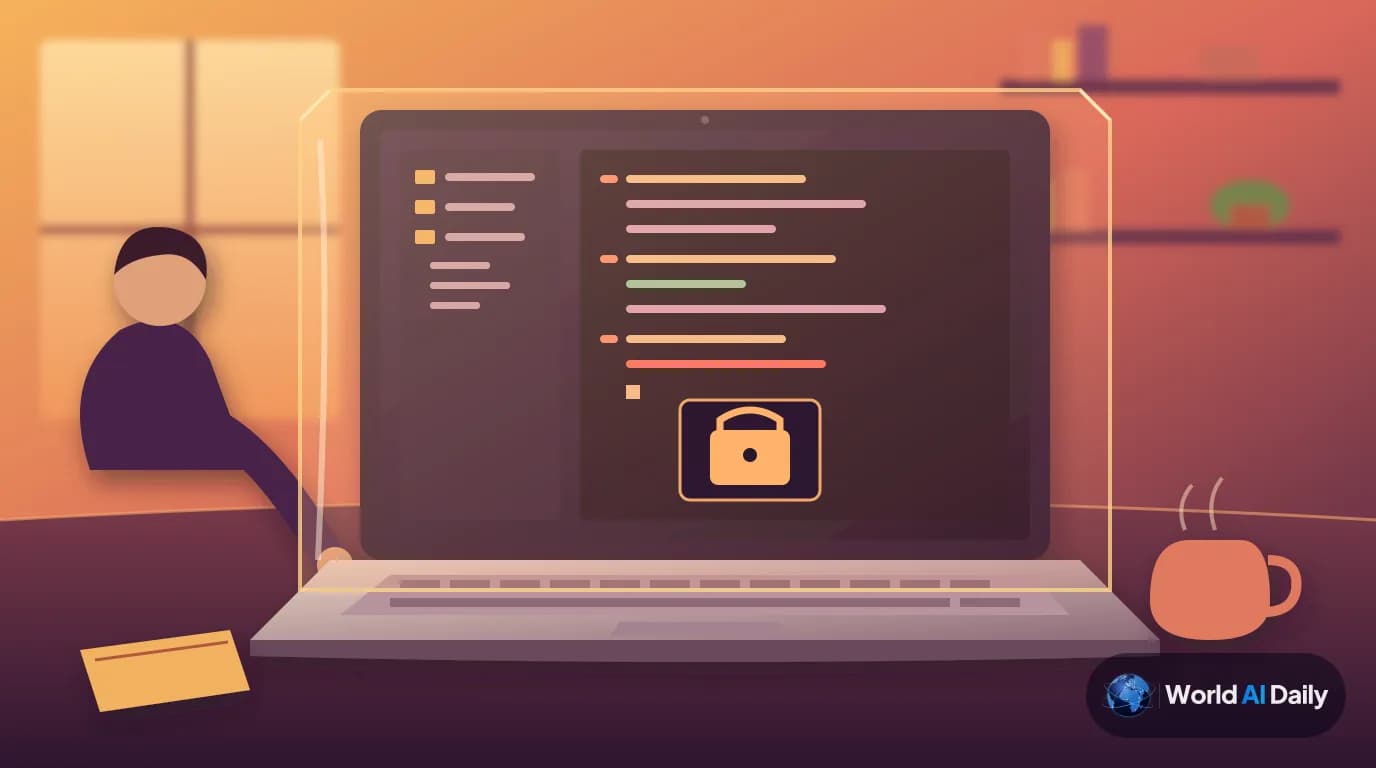
OpenAI has published a technical post describing the sandbox that restricts what Codex, its coding-agent framework, can reach when it runs commands on a user's computer. Codex does not use virtual machines or Docker containers. It builds on the sandboxing tools already present in macOS, Linux and Windows. Users set limits through named permission profiles. The built-in :workspace profile allows writes inside the workspace, keeps directories such as .git and .codex read-only, permits broad reads and blocks network access. OpenAI concedes the restrictions leave gaps. An agent could tamper with a locally installed package that an editor later runs outside the sandbox. The company frames the sandbox as one layer of defense alongside model training and alignment. The Codex framework decides whether to grant a command's request for extra permissions, and the codex sandbox command lets developers add the same mechanism to their own tools. For companies adopting coding agents, the post shows how access can be scoped and audited.
Key facts
- Codex does not use virtual machines or Docker containers and instead builds on sandboxing tools already present in macOS, Linux and Windows.
- Users set limits through named permission profiles, and the built-in :workspace profile allows writes inside the workspace.
- The :workspace profile keeps directories such as .git and .codex read-only, permits broad reads and blocks network access.
- OpenAI concedes the restrictions leave gaps, such as an agent tampering with a locally installed package that an editor later runs outside the sandbox.
AI-assisted summary Editorial standards