Nvidia's Jensen Huang steps down; Washington fights over chip curbs on China
Reported by The Guardian
Original author: Shrai Popat in Washington, Jonathan Yerushalmy, Mark Sweney and agencies
Originally published: 14 Nov 2026, 01:21 IST On World AI Daily:
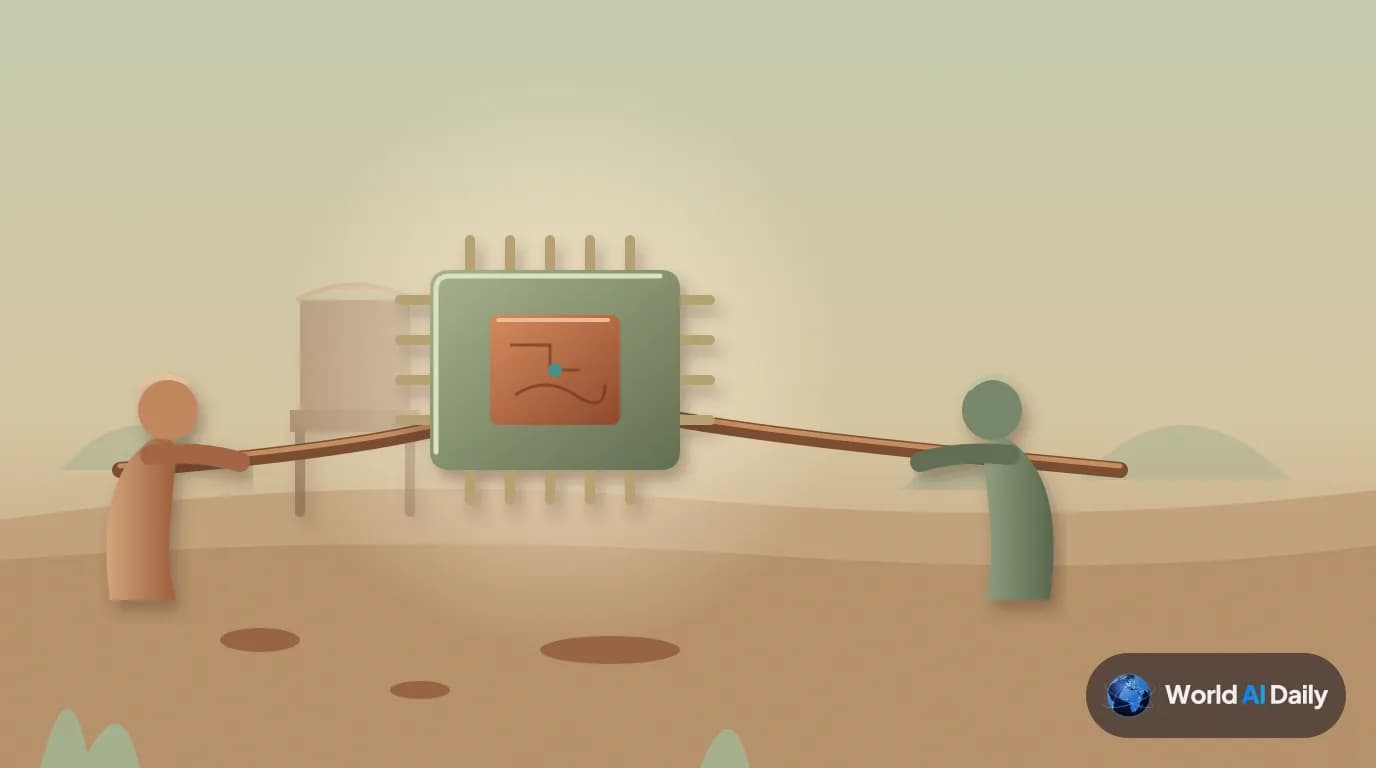
Nvidia chief Jensen Huang stepped down Thursday, and chief financial officer Colette Kress now runs the company on an interim basis. His exit came after reports of several affairs, among them one with Alice Huang, whom people suspect of spying for China. Washington is now divided. Treasury Secretary Scott Bessent said his department had favored putting Singapore-based Megaspeed on the US blacklist. Megaspeed is tied to Alice Huang and has purchased billions of dollars' worth of Nvidia chips. Bessent said Commerce Secretary Howard Lutnick's department "has the pen." The Associated Press reported that White House officials are discussing whether to fire Lutnick, who is scheduled to testify before Congress next month. Lawmakers in both parties are calling for investigations. House Speaker Mike Johnson pointed to a developing consensus in Congress for limiting chip exports to China, and members are pressing for at least four bills on the subject. People familiar with the matter told Reuters that Chinese AI companies are trying to secure Nvidia capacity outside China. For the AI industry, the episode puts access to Nvidia's advanced chips, widely used to build leading models, at the heart of US-China policy.
Key facts
- Nvidia chief Jensen Huang stepped down Thursday, and chief financial officer Colette Kress now runs the company on an interim basis.
- Singapore-based Megaspeed is tied to Alice Huang and has purchased billions of dollars' worth of Nvidia chips.
- Treasury Secretary Scott Bessent said his department had favored putting Megaspeed on the US blacklist.
- House Speaker Mike Johnson pointed to a developing consensus in Congress for limiting chip exports to China.
- Nvidia's advanced chips are widely used to build leading AI models, which puts their access at the heart of US-China policy.
AI-assisted summary Editorial standards