Anthropic lets business clients keep Mythos and Fable prompt data on their own servers
Reported by Engadget
Original author: Igor Bonifacic
Originally published: 24 Nov 2026, 01:32 IST On World AI Daily:
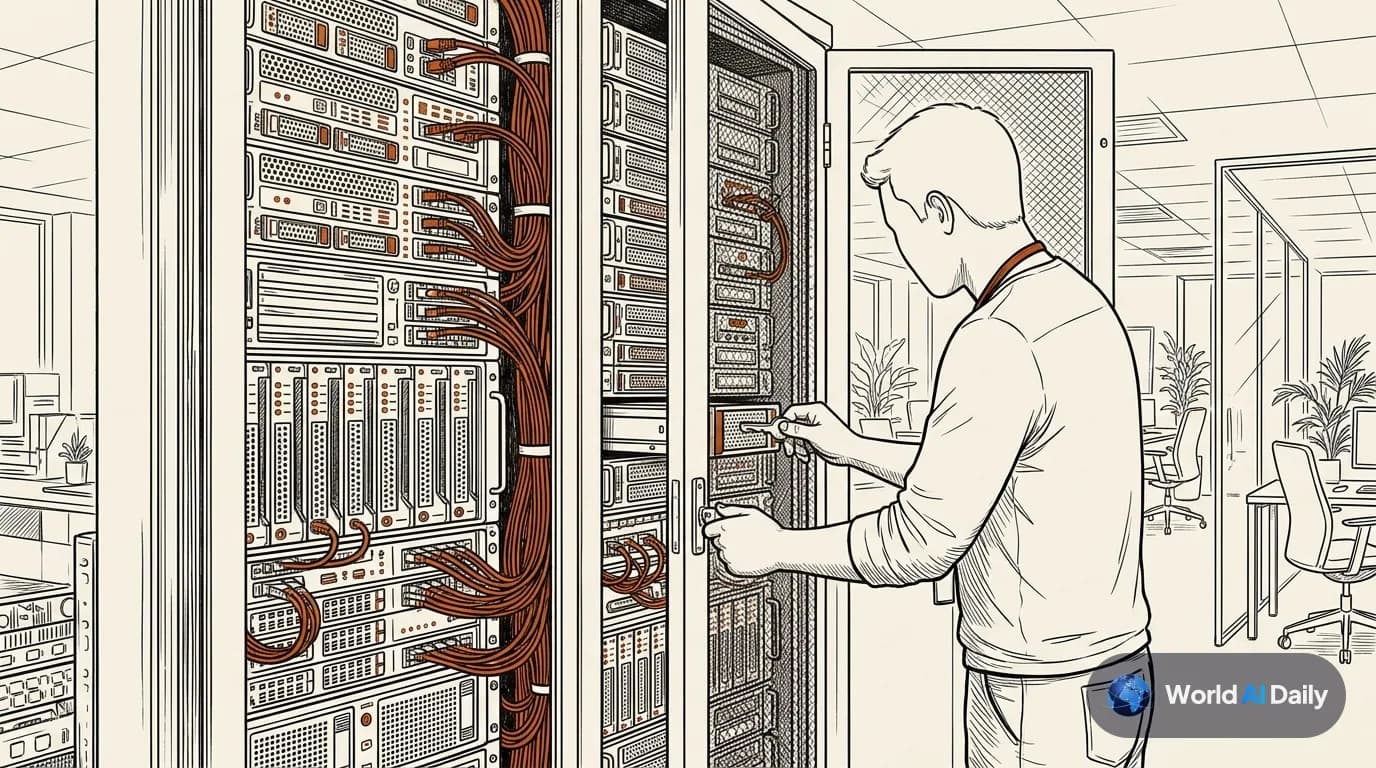
Anthropic is altering how it handles data from its Mythos and Fable models. At the June launch of version 5, the company said it would hold user prompts and responses for 30 days so it could watch for misuse. Enterprise customers pushed back on that rule, and Anthropic later listed its position as a business risk, particularly if competitors offered zero data retention. OpenAI announced its own version of that option in August. Bloomberg reports that Anthropic has begun an early rollout of Enterprise Frontier Safeguards to business customers. Clients must still retain prompts and responses for 30 days, but the data can now sit on their own servers. Jon Turow, who leads safeguards for the two models at Anthropic, said the company will perform occasional 15-minute checks for signs of potential cyberattacks. Automated systems will alert the customer if they detect an issue. Anthropic receives a notification too, but it cannot reach the underlying data. The release follows the company's initial public offering last Thursday.
Key facts
- Anthropic said in June it would retain user prompts and responses from its Mythos and Fable models for 30 days.
- OpenAI announced its own zero data retention implementation in August.
- Bloomberg reports Anthropic has begun an early rollout of Enterprise Frontier Safeguards to business customers.
- Under the system, clients must still retain prompts and responses for 30 days but can store the data on their own servers.
- Anthropic will perform occasional 15-minute checks for signs of potential cyberattacks and receives alerts without accessing related data.
AI-assisted summary Editorial standards