AI accusations cost authors deals and prize slots as publishers lack firm policies
Reported by The Guardian
Original author: Sophie McBain
Originally published: 14 Nov 2026, 14:30 IST On World AI Daily:
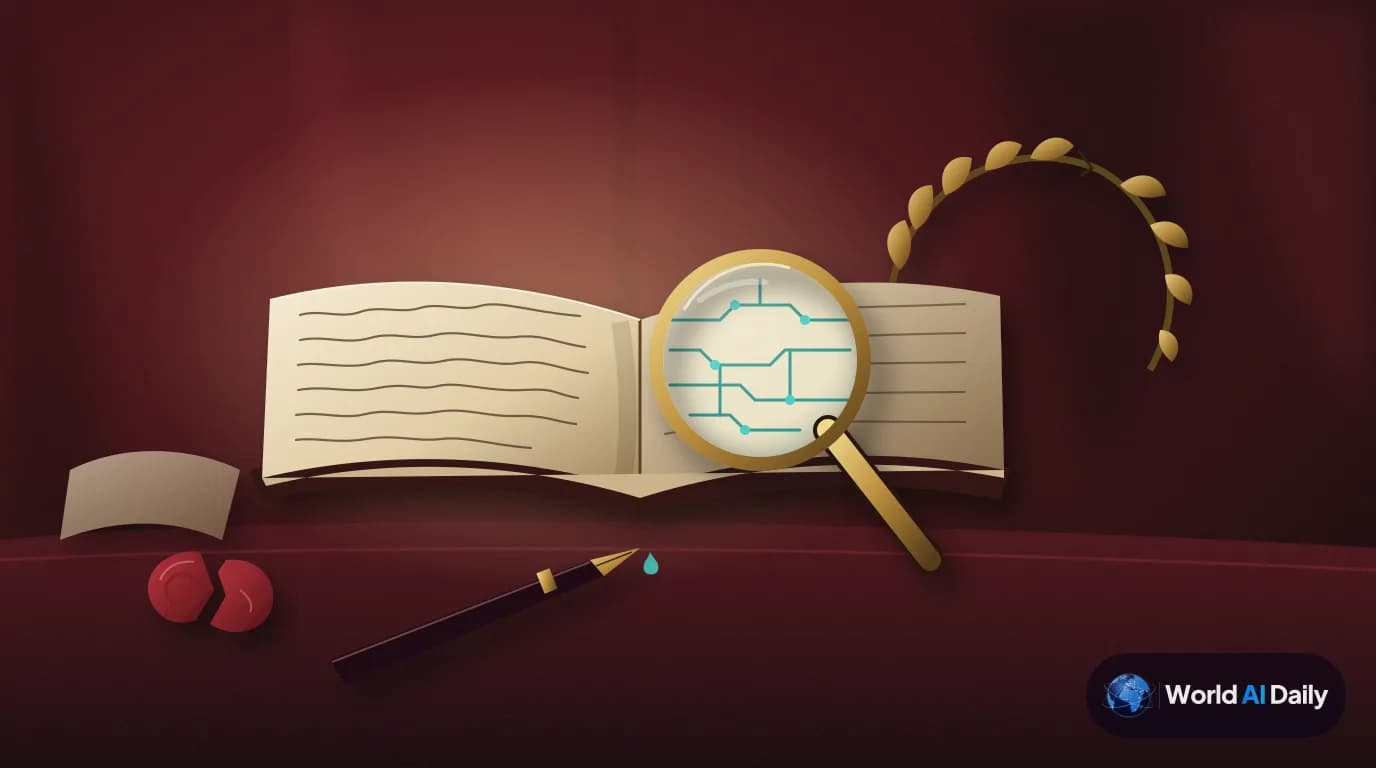
A Guardian feature describes how claims of AI-written text are disrupting book publishing. Hachette withdrew the romance novel Shy Girl in March after evidence that the author used AI. Agents walked away from debut novelist Jerry Falade, ending a $2m deal. Thélyson Orélien's novel was struck from the Goncourt longlist, and his publisher Boréal later dropped him. Several accused authors deny using AI to write their work. Many cases started when journalists or social media users ran text through detection tools such as Pangram, which academic research puts at 95% accuracy or better. Critics say non-native and neurodivergent writers attract more false suspicion. At the other end of the market, romance author Coral Hart says she has used AI to write 370 novels since 2025. A study cited in the piece estimates that roughly one in five recent self-published books includes 25% or more AI-generated text. Agents say the big five publishers have set no firm policies. Under US copyright law, books must be human authored, so purely machine-written text goes unprotected.
Key facts
- Hachette withdrew the romance novel Shy Girl in March after evidence that the author used AI.
- Agents withdrew from debut novelist Jerry Falade's deal, which was worth $2m.
- Thélyson Orélien's novel was struck from the Goncourt longlist, and his publisher Boréal later dropped him.
- Agents say the big five publishers have set no firm policies on AI.
- Under US copyright law, books must be human authored, so purely machine-written text goes unprotected.
AI-assisted summary Editorial standards